

Silicone vs Hard Cases: Which iPhone Cover is Better?
Silicone vs Hard Cases: Which iPhone Cover is Better?
Your iPhone is a significant investment, and picking the right case is more important than most people think. Two of the most popular options — silicone and hard (polycarbonate) cases — each have real strengths and trade-offs. Here's a clear breakdown to help you decide.
What is a Silicone Case?
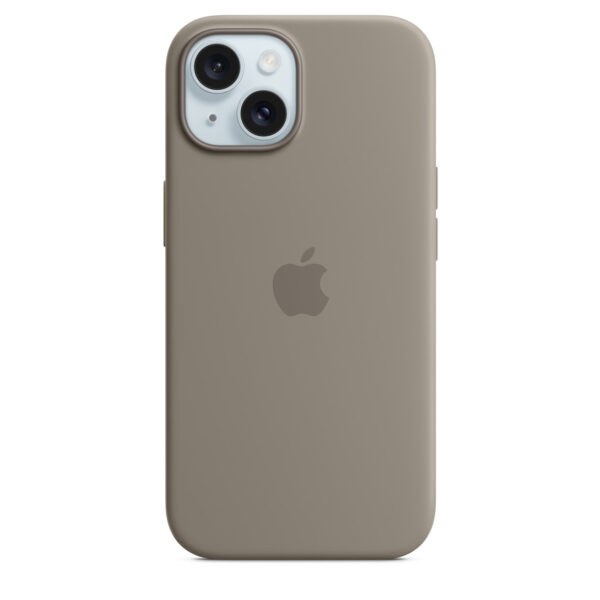
Silicone cases are made from soft, flexible rubber-like material. They're grippy, lightweight, and have a pleasant matte texture that feels premium in the hand. Apple's own silicone cases are a popular example of this category.
Pros:
- Excellent grip — far less likely to slip from your hand
- Shock absorption is strong thanks to the flexible material
- Slim profile that doesn't add much bulk
- Soft microfiber lining protects the screen when placed face-down
- Available in a wide range of muted, stylish colors
Cons:
- Attracts lint, dust, and pet hair aggressively
- Can stretch or lose shape over time
- Edges may yellow or discolor with extended use
- Less resistant to sharp scratches on the case surface itself
What is a Hard Case?
Hard cases are typically made from polycarbonate (PC) plastic, sometimes combined with a TPU bumper for added protection. They're rigid, often transparent, and prioritize structure over softness.
Pros:
- Scratch-resistant surface stays looking clean longer
- Transparent options let the iPhone's original design show through
- Easier to clean — just wipe them down
- More durable against surface-level wear and tear
- Often thinner in profile for a sleek look
Cons:
- Less grip — more prone to slipping on smooth surfaces
- Rigid material transfers impact force more directly, offering less shock absorption
- Can crack or shatter under hard drops rather than flexing
- May develop yellowing over time if clear/transparent
Protection: Which Wins?
For drop protection, silicone cases have a natural edge. The flexible material absorbs and disperses impact energy, cushioning the phone more effectively. Hard cases, especially thin polycarbonate ones, may crack on impact — and while they take the hit instead of your phone, the protection can be inconsistent.
That said, many premium hard cases use dual-layer designs (hard shell + TPU inner layer) that rival silicone in drop protection.
Verdict: Silicone wins for pure drop protection; premium hard cases can match it.
Everyday Use: Grip, Feel & Practicality
Silicone cases win hands-down for grip and everyday feel. The tactile texture makes one-handed use much safer. Hard cases can feel slick — especially glass-back hybrids — increasing the risk of accidental drops.
For cleanliness and maintenance, hard cases are easier to wipe clean. Silicone picks up fluff from pockets constantly, which can be frustrating.
Aesthetics & Style
Hard cases — particularly clear ones — are ideal if you want to show off your iPhone's color. Silicone offers a softer, more premium feel but tends toward muted tones. Ultimately this comes down to personal preference.
Which Should You Choose?
|
Silicone |
Hard Case |
|
|
Grip |
Excellent |
Average |
|
Drop protection |
Very good |
Good–Very good |
|
Scratch resistance |
Moderate |
High |
|
Easy to clean |
No |
Yes |
|
Style |
Soft & matte |
Sleek & clear |
Choose silicone if you prioritize grip, feel, and shock absorption. Choose a hard case if you want a slim, clean-looking option that's easy to maintain.
For the best of both worlds, consider a dual-layer case — hard outer shell with a soft inner bumper — which combines the strengths of both materials.